
Introduction: Vehicle Wraps vs. Traditional Paint
For businesses, the decision between investing in vehicle wraps or traditional paint jobs is a significant one. Both options provide a unique opportunity to transform vehicles into mobile advertisements, creating visibility and brand recognition wherever they go. However, there are key differences to consider before making this important investment. In this article, we’ll explore the pros, cons, and cost implications of both approaches to help you make an informed decision that best suits your marketing needs.
Understanding the Benefits of Vehicle Wraps
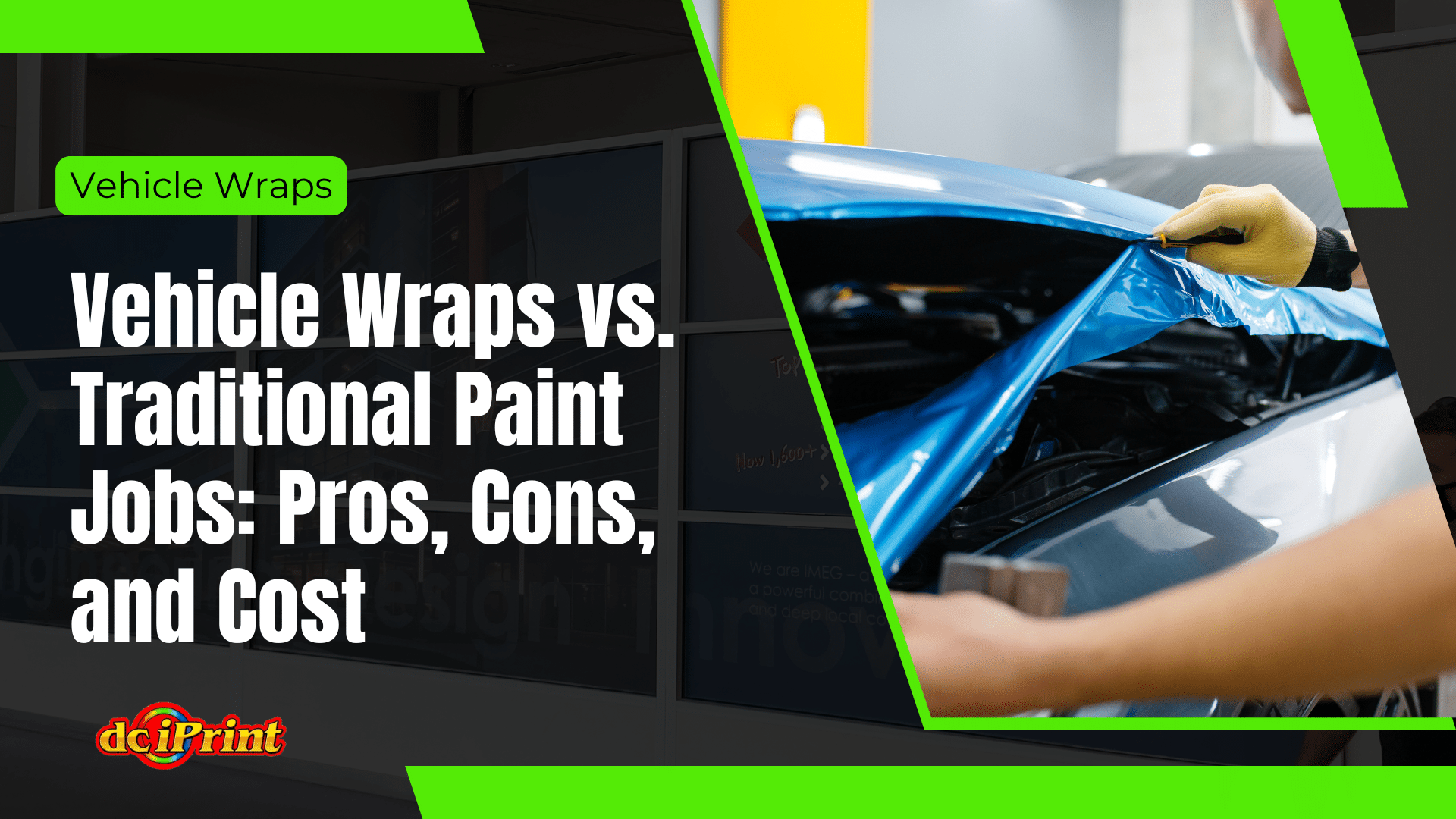
Vehicle wraps offer several advantages over traditional paint jobs. They are essentially large vinyl graphics or decals that are applied directly over your vehicle’s original paintwork. Not only do they provide a visually striking and professional look for your vehicles, but they also offer superior versatility. With a vehicle wrap, you can change your advertisement or branding as often as you want without damaging the underlying paintwork. This adaptability is especially beneficial for businesses that frequently update their marketing messages or run seasonal promotions.
More so, vehicle wraps also serve as a protective layer against weather damage and scratches, helping to maintain the resale value of your vehicle. According to 3M, a leading manufacturer of vinyl vehicle wraps, wrapped vehicles can be driven in virtually any weather condition without damage to the wrap or the underlying paintwork. This dual functionality – marketing and protection – makes vehicle wraps a cost-effective solution for many businesses.
Weighing the Drawbacks and Costs
Despite these benefits, there are also some drawbacks to consider with vehicle wraps. One of these is the upfront cost. While it varies based on factors such as vehicle size and wrap complexity, a full wrap can cost anywhere from $1,500 to $5,000 or more. For small businesses with tight budgets, this initial investment may be prohibitive.
Furthermore, while wraps offer protection to your vehicle’s paint, they are not immune to damage. Over time, exposure to the elements can lead to fading or peeling. This means that wraps do require some maintenance and may need replacing after a few years. However, with proper care, a quality wrap can last up to seven years, offering substantial return on investment.
Final Thoughts: Making an Informed Decision
When comparing vehicle wraps and traditional paint jobs, it’s important to consider both the short-term and long-term implications. A traditional paint job may seem less expensive upfront, but the cost of repainting for rebranding or repairing weather damage can add up over time. On the other hand, a vehicle wrap offers flexibility and protection, but requires a higher initial investment.
At dciPrint, we understand that every business has unique needs and budget considerations. With over 26 years of experience in the printing industry, we’re here to provide expert advice and quality services to help you make the best decision for your marketing goals. Whether you choose vehicle wraps or traditional paint, rest assured that our attention to detail and commitment to quality will deliver results that exceed your expectations.
Remember, a well-exececuted vehicle wrap or paint job not only enhances your brand’s visibility but also showcases your commitment to professionalism and quality – a visual representation of your business worth investing in.